A1 Charlotte NC Locksmith Service Team
Local locksmith team
Oct 16, 2026 10 min read

If you've ever bought an older home in Charlotte's historic neighborhoods — think Dilworth, Plaza Midwood, or Fourth Ward — you've probably encountered a lock that looks nothing like the simple knob or lever set on a newer build. That chunky, rectangular hardware recessed deep into the door edge is a mortise lock, and it's been the workhorse of residential and commercial doors in this region for well over a century. Understanding the difference between mortise and cylindrical lock hardware isn't just trivia — it shapes what replacement parts cost, which locksmiths can actually service it, and how secure your front door really is.
At A1 Charlotte NC Locksmith, our team works on both lock types every single day across the greater Charlotte area, from the bungalows off Park Road to the new construction townhomes going up near South End. This guide gives you a clear, honest side-by-side look at mortise and cylindrical locks so you can make the right call for your home — and know when to call a professional to get the job done safely.
## What Is a Mortise Lock — and Why Do So Many Charlotte Homes Still Have One?
A mortise lock is a complete locking mechanism — latch bolt, deadbolt, and often a privacy or passage function — housed inside a single metal case that sits inside a deep rectangular pocket (the 'mortise') cut into the door edge. Unlike a standard cylindrical lock, where most of the hardware wraps around the outside of the door, a mortise lock set is almost entirely internal. That makes it extraordinarily strong: there's no cylindrical tube to shear off, and the door itself absorbs and distributes the load. The trim you see on the face of the door (the rose, knob, or lever) is largely decorative; the real security lives inside the door.
Charlotte's older housing stock explains why mortise hardware is still so common here. Homes built before roughly 1960 — and there are thousands of them in neighborhoods like Elizabeth, NM Myers Park, and Chantilly — were built at a time when mortise lock sets were the residential standard. Builders cut the pocket right into the original door stile, meaning the door was designed around that hardware. When a homeowner replaces one of these locks, they often find that switching to a modern cylindrical lock would require filling the old mortise pocket, reinforcing the stile, and often replacing the door entirely. For many Charlotte homeowners, keeping and restoring the original mortise hardware is simply the more practical and cost-effective path.
## Cylindrical Locks: The Modern Standard and Its Tradeoffs
The cylindrical lock — the format used in nearly every Schlage or Kwikset knob and lever set you see at the hardware store — was developed in the mid-20th century precisely because it was easier and cheaper to install. Instead of a deep mortise pocket, installation requires only two bored holes: a large cross-bore through the face of the door and a smaller latch bore in the door edge. A trained locksmith or a skilled DIYer can prep a blank door for a cylindrical lock in under an hour. That simplicity made cylindrical locks the dominant choice for tract housing and new construction — including most of the subdivisions built across Mecklenburg County from the 1980s onward.
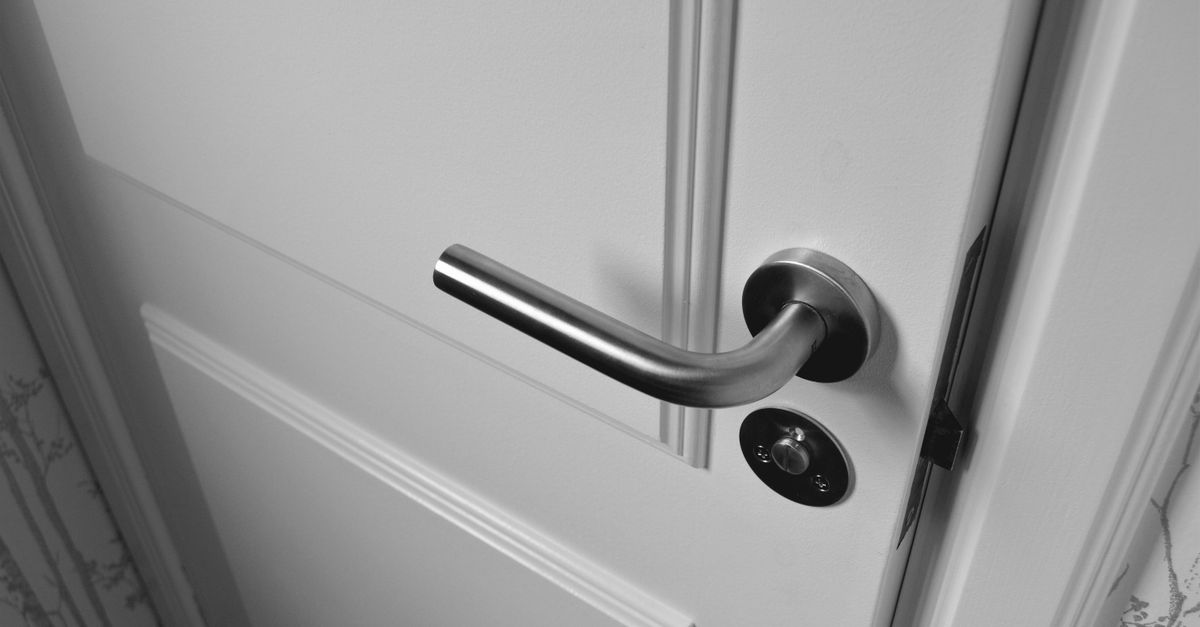
The tradeoff is structural. A cylindrical lock's bolt mechanism is contained in a relatively small cartridge, and the door knob lock or lever is mechanically connected to that cartridge through the door. Under a hard kick or sustained force, the weakest point is usually the bore hole itself, which can split the door stile. Modern cylindrical deadbolts with reinforced strike plates and long screws address some of this, but a well-maintained mortise lock set on a solid wood door generally offers superior resistance to physical attack. That said, a cylindrical lock that fits the door correctly, is installed properly, and uses a high-quality cylinder is more than adequate security for the vast majority of Charlotte homes.
## Mortise Lock Cylinder, Key Brands, and What to Know Before You Buy Hardware
One of the most confusing parts of mortise lock service is the cylinder — the small, removable plug inside the case that actually reads your key. The mortise lock cylinder is an independent component that threads or clips into the mortise case, which means it can be rekeyed or replaced without touching the rest of the mechanism. This is a significant advantage: if you move into an older Charlotte home and want to change who has key access, a locksmith can often rekey just the cylinder in minutes rather than replacing the entire lock set.
When it comes to hardware brands, two names come up constantly on Charlotte's older doors: Corbin Russwin and Baldwin. A Corbin Russwin mortise lock is a commercial-grade workhorse you'll find in older apartment buildings, schools, and some upscale homes — the cylinders and cases are built to heavy-duty tolerances and have long service lives, but parts can be harder to source than standard residential hardware. A Baldwin mortise lock sits at the premium residential end: solid brass construction, wide finish options, and a design language that suits the ornate doors on historic Charlotte homes beautifully. Both are legitimate, quality choices; the key is making sure whoever services them knows the specific case dimensions and cylinder format, because mortise hardware is not one-size-fits-all. If you're exploring a smart mortise lock upgrade, several manufacturers now produce smart lock cylinders or full smart mortise lock sets that retain the original case's security envelope while adding keypad or app-based entry — worth asking our team about if you're renovating an older home and want modern convenience without gutting historic hardware.
If you're in the middle of a lock issue right now and need help today, call (704) 850-6756 — we answer 24/7 and can walk you through options before we even arrive at your door.
## Door Knob Lock vs. Mortise Lock Set Exterior Door: Choosing the Right Hardware for Your Entry
For an exterior door on a Charlotte home, the choice between a door knob lock setup and a full mortise lock set exterior door configuration really comes down to three things: the existing door prep, your security goals, and your budget for hardware. If your door already has a mortise pocket, filling it and re-boring for a cylindrical lock is a significant carpentry project — and on a solid 100-year-old fir or pine door, it's often work that weakens the door more than it helps. In that case, restoring or upgrading the existing mortise hardware is almost always the smarter move.
For newer doors without an existing pocket, a quality cylindrical deadbolt paired with a reinforced strike plate, long screws into the door frame stud, and a solid-core door slab is a proven, widely available security solution. If you want the security envelope of mortise hardware on a new door, you can have a mortise pocket cut by a skilled carpenter or ask our locksmith team whether a pre-mortised door slab makes sense for your project. One local note worth knowing: Charlotte's climate — hot summers, occasional ice storms, and high humidity — can cause wood door stiles to swell and contract seasonally. Both lock types can be affected, but a mortise case that's slightly misaligned due to wood movement is more labor-intensive to adjust than a cylindrical latch. Annual door and lock checks are a simple way to stay ahead of that.
## When You Need a Locksmith: Emergency Lockouts, Rekeying, and Upgrades Across Charlotte
Whether you're locked out of a Dilworth craftsman at midnight or trying to rekey a commercial property near Uptown after a staff change, our mobile locksmith team reaches you — no shop visit required. For homeowners dealing with an older mortise lock set, emergency lockout service requires a locksmith who actually carries the right tools for that hardware, not just cylindrical lock picks. Our team is equipped and experienced with both formats, which matters when you're standing outside your door at 2 a.m. on a cold Charlotte night.
A common question we hear is 'How much will an emergency locksmith cost?' The honest answer is that the final price depends on several factors: the type of lock involved (a mortise lock cylinder is more involved to work with than a standard cylindrical knob), the time of day, travel distance within the Charlotte area, and whether any parts need to be sourced or replaced on the spot. What we always do before starting any work is confirm an exact up-front price with you — no surprises on the invoice. If you're wondering where to find an emergency locksmith in Charlotte, NC, the answer is one call away: (704) 850-6756, and we're available around the clock, every day of the year. Beyond emergency service, our team handles residential rekeying, lock upgrades, smart mortise lock installations, high-security deadbolt installs, and commercial locksmith work for businesses throughout Mecklenburg County and surrounding communities.
Our services include: residential lockout assistance, commercial lockout response, automotive lockout service, mortise lock installation and repair, mortise lock cylinder rekeying, cylindrical deadbolt installation, smart lock installation and programming, high-security lock upgrades, master key system design, keypad and electronic access installation, door hardware consultation, lock rekeying after move-in, post-break-in lock replacement, apartment and rental property rekeying, safe opening and combination changes, key duplication, transponder key programming, car key replacement, ignition repair and replacement, push-to-start proximity key replacement, mailbox lock replacement, sliding door lock repair, garage door lock service, padlock service and replacement, and on-site consultation for historic door hardware on older Charlotte properties.
Frequently asked questions
What is a mortise lock and how is it different from a regular door lock?+
A mortise lock is a complete locking mechanism — including latch, deadbolt, and sometimes a privacy function — housed in a metal case that sits inside a pocket (mortise) cut directly into the door edge. A regular cylindrical or tubular lock, by contrast, sits in two bored holes through the door face and edge and wraps much of its hardware around the exterior of the door. Mortise hardware is generally more robust because the mechanism is fully embedded in the door, but it requires a door that was originally prepared for it. Many older Charlotte homes in neighborhoods like Dilworth or Myers Park were built with mortise doors, which is why this hardware is still very common here.
Can I rekey a mortise lock without replacing the whole lock set?+
Yes, in most cases. The mortise lock cylinder — the small plug that reads your key — is a separate, removable component from the main lock case. A skilled locksmith can remove and rekey just the cylinder, which means you keep the original hardware and only the key cuts change. This is a popular and practical option for anyone who has just moved into an older Charlotte home and wants to make sure previous owners or tenants no longer have working key access. It is almost always faster and less expensive than replacing the entire mortise lock set.
How much does it cost to service or replace a mortise lock in Charlotte?+
The final price depends on several factors: the specific brand and model of mortise hardware (Corbin Russwin, Baldwin, and other legacy brands each have different parts availability and labor complexity), whether you need a simple rekey versus a full replacement, the time of day you call, and travel distance within the Charlotte area. Before any work begins, our team confirms an exact up-front price with you so there are no surprises. Call (704) 850-6756 and we can discuss your specific situation and provide a clear quote on the spot.
Should I upgrade my older mortise lock to a smart mortise lock?+
It depends on your goals and the condition of your existing hardware. If your current mortise case is functioning well and the door fits properly, adding a smart mortise lock cylinder or a full smart mortise lock set is an excellent way to get keypad, app, or auto-lock convenience without disturbing the original door prep or the historic look of the hardware. If the case is worn, the bolt is sticking, or you're seeing signs of forced-entry damage, it may make more sense to replace the full mortise lock set before investing in smart components. Our team can assess your door and lock in person and walk you through both options with honest, specific recommendations.